Skip to product information
1 of 8

Diivoo

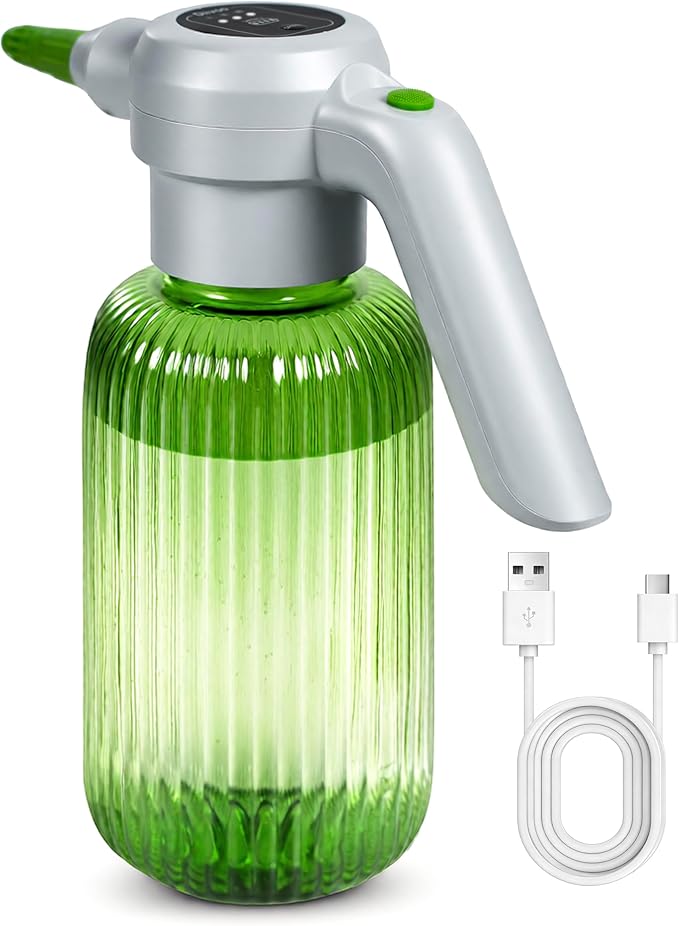
Diivoo Electric Spray Bottle 2L/0.5 Gallon, 3 Speed Flow Rechargeable Battery Powered Sprayer, Adjustable Nozzle Automatic Spray Bottle, Outdoor & Indoor Plant Sprayer for Garden

Diivoo Electric Spray Bottle 2L/0.5 Gallon, 3 Speed Flow Rechargeable Battery Powered Sprayer, Adjustable Nozzle Automatic Spray Bottle, Outdoor & Indoor Plant Sprayer for Garden

Regular price $44.62 USD
Regular price Sale price $44.62 USD
Sale Sold out
Quantity

About This

  • Effortless Spraying Every Time: This electric spray bottle takes the hassle out of manual pumping—powered by electricity, the electric garden sprayer delivers steady, consistent water flow with zero physical effort. No more tiring hand pumps or inconsistent spraying.
  • 3-Speed Flow & Adjustable Nozzle: This plant mister lets you switch freely between low/medium/high flow rates and fine-tune the spray from ultra-fine mist to powerful jet stream. The indoor plant sprayer is ideal for delicate indoor greens (gentle mist), garden watering (medium flow), or tough cleaning tasks (strong jet).
  • Charge Once a Month: Equipped with a 2000mAh large rechargeable battery, this automatic spray bottle delivers long-lasting performance—charge just once a month for regular daily use. The automatic sprayer needs no frequent recharging or disposable batteries, staying reliable for all your daily misting, cleaning and gardening tasks without interruptions.
  • Easy to Monitor Water Level: The clear, transparent body of this water spray bottle for plants lets you check remaining water volume at a glance—no more guessing when to refill. This water sprayer for plants features durable plastic construction that's lightweight yet sturdy, easy to carry around your home, garden, or garage for on-the-go use.
  • Multi-Scene Versatility: This weed sprayer isn't just for greenery—this electric pump sprayer works perfectly for indoor plant misting, garden watering, home cleaning, and pet bathing. It replaces multiple separate tools, maximizing value for money and keeping your space organized, a versatile all-in-one solution for every household and gardening task.

Overview

  • Brand : Diivoo
  • Color : Green
  • Recommended Uses For Product : Cleaning Solution, Water
  • Material : Plastic
  • Item Weight : 1.21 Pounds
View full details

What Our Customers Say

Perfect for my apartment!

These compact planters are exactly what I needed for my small balcony. The herbs are thriving and I love having fresh basil at my fingertips!

Great starter kit

As a beginner gardener, this kit made it so easy to start growing my own vegetables indoors. The instructions were clear and everything I needed was included.

Love the design

Not only functional but beautiful too! The minimalist design fits perfectly with my modern apartment decor. My succulents look amazing in these pots.

Space-saving solution

The vertical garden system is genius! I can grow so many plants without taking up floor space. Perfect for city living and my plants are healthier than ever.

Every small space holds the potential for a little green sanctuary

Frequently Asked Questions

Everything you need to know about growing a beautiful garden

The best time to plant vegetables depends on your climate zone. Generally, cool-season crops like lettuce and peas thrive in early spring, while warm-season crops like tomatoes and peppers should be planted after the last frost date.
Most gardens need about 1 inch of water per week, either from rainfall or irrigation. Water deeply but less frequently to encourage strong root growth. Early morning is the best time to water to minimize evaporation and disease.
Loamy soil with good drainage is ideal for most plants. It should be rich in organic matter, have a pH between 6.0-7.0, and retain moisture while allowing excess water to drain. Adding compost annually improves soil structure and fertility.
Companion planting, crop rotation, and encouraging beneficial insects are effective natural pest control methods. Marigolds deter many pests, while ladybugs and lacewings eat aphids. Regular inspection and hand-picking larger pests also helps.