Skip to product information
1 of 9

Green Haven

Soil Moisture Meter - Included 200+ Plants Care Guide, 100 pH Test Strips & Sample Tube, Soil Water Tester, Soil Hygrometer Sensor Tool for Garden, Lawn, Farm Plants Care, No Battery Needed

Soil Moisture Meter - Included 200+ Plants Care Guide, 100 pH Test Strips & Sample Tube, Soil Water Tester, Soil Hygrometer Sensor Tool for Garden, Lawn, Farm Plants Care, No Battery Needed

Regular price $12.78 USD
Regular price Sale price $12.78 USD
Sale Sold out
Quantity

About This

  • WHAT CAN YOU GET: Packing including a soil moisture meter, a houseplants care guidebook, 100 pieces pH test strips and a 50ml test tube. Our guidebook not only provides you with instructions on how to use various soil testers, but also offers illustrated guide covering light, water,and soil needs for over 200 plants. It's easy for both beginners and advanced gardeners to use, enhance your gardening experience to the next level!
  • EASY TO READ: Just insert the probe of the moisture meter for plants in the pot and get instant results. No more poking fingers and guessing. With the 15 scales, which is more accurate to reading value. In addition, the dial of plant meter is 90 degree rotating, you can observe the data from multiple angles to reduce the number of bends.
  • NO BATTERY REQUIRED: Battery-free design, no batteries or electricity needed, so you don't have to worry about not being able to use it because the battery is dead. Just plug the plant water meter into the ground and get a reading in no time, you can know the plants need water or not. This is an environmentally-friendly gardening tool.
  • PRACTICAL & ACCURATE: Our soil tester probe is made of high-quality metal material, which is more resistant to corrosion than ordinary materials. The soil moisture meter can get the results accurately and quickly, you can determine the exact amount of water your plants need, and avoid over or under-watering.
  • FOR SOIL USE ONLY: This meter is designed for soil only, can not be used to test hard soil/slurry/clay/sandy soils/plant ash/fiber directly. Never use it to test water or any liquid. Before Test: Press down soil to minimize air gaps in the soil to ensure the probe can detect properly. Please wipe the probe after each use.
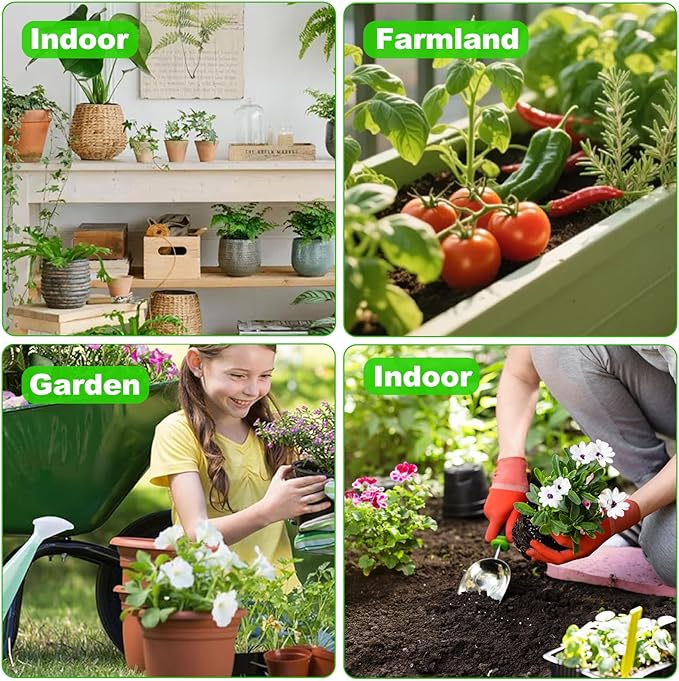
  • USEFUL TOOL & IDAL GARDENING-GIFT: Our water gauge meter works well for all indoor and outdoor plants, potted plants, flowers, vegetables, fruits, lawn plants, farm etc. It's a ideal and practical gift for families, lovers, friends, kids, gardeners and others.
View full details

What Our Customers Say

Perfect for my apartment!

These compact planters are exactly what I needed for my small balcony. The herbs are thriving and I love having fresh basil at my fingertips!

Great starter kit

As a beginner gardener, this kit made it so easy to start growing my own vegetables indoors. The instructions were clear and everything I needed was included.

Love the design

Not only functional but beautiful too! The minimalist design fits perfectly with my modern apartment decor. My succulents look amazing in these pots.

Space-saving solution

The vertical garden system is genius! I can grow so many plants without taking up floor space. Perfect for city living and my plants are healthier than ever.

Every small space holds the potential for a little green sanctuary

Frequently Asked Questions

Everything you need to know about growing a beautiful garden

The best time to plant vegetables depends on your climate zone. Generally, cool-season crops like lettuce and peas thrive in early spring, while warm-season crops like tomatoes and peppers should be planted after the last frost date.
Most gardens need about 1 inch of water per week, either from rainfall or irrigation. Water deeply but less frequently to encourage strong root growth. Early morning is the best time to water to minimize evaporation and disease.
Loamy soil with good drainage is ideal for most plants. It should be rich in organic matter, have a pH between 6.0-7.0, and retain moisture while allowing excess water to drain. Adding compost annually improves soil structure and fertility.
Companion planting, crop rotation, and encouraging beneficial insects are effective natural pest control methods. Marigolds deter many pests, while ladybugs and lacewings eat aphids. Regular inspection and hand-picking larger pests also helps.