Skip to product information
1 of 9

Barrina

Barrina LP750 Indoor Greenhouse with Grow Light, 5-Tier Plant Stand with Light 140W TX-S35 2FT, 5000K Full Spectrum Plant Shelf with Tent, Timer & Thermometer for Seed Tray Growth 29.5 x 13.8 x 70.9IN

Barrina LP750 Indoor Greenhouse with Grow Light, 5-Tier Plant Stand with Light 140W TX-S35 2FT, 5000K Full Spectrum Plant Shelf with Tent, Timer & Thermometer for Seed Tray Growth 29.5 x 13.8 x 70.9IN

Regular price $319.98 USD
Regular price Sale price $319.98 USD
Sale Sold out
Quantity

About This

  • High PPFD & Individual Control: 2FT 5000K full spectrum LED grow lights (CRI 97) deliver high PPFD (483.1 μmol/m²/s at 3.9 inches), promoting strong photosynthesis for lush plant growth. Each light has its own on/off switch and works with zip ties or chains for easy hanging, fitting perfectly with your indoor growing space
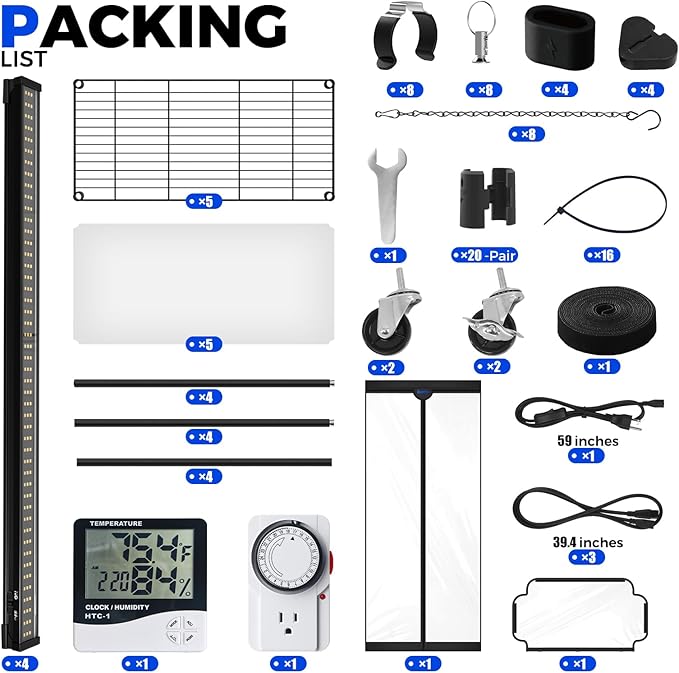
  • 5-Tier with 140W High Power Lighting: The Barrina Professional Grow Tent – LP Series (LeafPod) Indoor Greenhouse with Grow Light. LP750 (dimensions: 29.5 x 13.8 x 70.9IN) features TX-S LED grow lights (35W per light, 140W total) inside a enclosed tent. It provides ample space for seedlings and mature plants, with light evenly diffused across 5 tiers for plant growth
  • Winter Greenhouse Effect with Tent : Transparent cover creates a warm microclimate for year-round planting, plus a bottom cover collects soil, water, and debris to keep floors clean and reduce cleanup time. 4 vents let you adjust airflow to stop overheating, and the zippered door makes watering and feeding plants fast and simple
  • DIY Height Adjustment & Easy Setup: Customize the rack’s shelf heights to fit tall plants or seedlings, turning the plant shelves with lights into a flexible growing space. Built-in wheels let you move the greenhouse easily between sunny windows and indoor areas, while simple tool-less assembly ensures quick setup
  • Timer & Thermometer for Perfect Plant Care: Mechanical timer automates light cycles (0-24 hours) to copy sunlight, while the thermometer monitors temperature—ideal for the Barrina plant stand with lights to support orchids, succulents, vegetables, and all indoor gardening needs

Overview

  • Color : 5000K
  • Brand : Barrina
  • Product Dimensions : 29.5"L x 13.8"W x 70.9"H
  • Cover Material : EVA
  • Frame Material : Aluminum
View full details

What Our Customers Say

Perfect for my apartment!

These compact planters are exactly what I needed for my small balcony. The herbs are thriving and I love having fresh basil at my fingertips!

Great starter kit

As a beginner gardener, this kit made it so easy to start growing my own vegetables indoors. The instructions were clear and everything I needed was included.

Love the design

Not only functional but beautiful too! The minimalist design fits perfectly with my modern apartment decor. My succulents look amazing in these pots.

Space-saving solution

The vertical garden system is genius! I can grow so many plants without taking up floor space. Perfect for city living and my plants are healthier than ever.

Every small space holds the potential for a little green sanctuary

Frequently Asked Questions

Everything you need to know about growing a beautiful garden

The best time to plant vegetables depends on your climate zone. Generally, cool-season crops like lettuce and peas thrive in early spring, while warm-season crops like tomatoes and peppers should be planted after the last frost date.
Most gardens need about 1 inch of water per week, either from rainfall or irrigation. Water deeply but less frequently to encourage strong root growth. Early morning is the best time to water to minimize evaporation and disease.
Loamy soil with good drainage is ideal for most plants. It should be rich in organic matter, have a pH between 6.0-7.0, and retain moisture while allowing excess water to drain. Adding compost annually improves soil structure and fertility.
Companion planting, crop rotation, and encouraging beneficial insects are effective natural pest control methods. Marigolds deter many pests, while ladybugs and lacewings eat aphids. Regular inspection and hand-picking larger pests also helps.