Skip to product information
1 of 6

Green Haven

LemonRoad 4 Pcs Self Watering Terracotta Globes 11.5oz Large Ollas Plant Watering Globes Planter Insert Spike Pot Clay Planter Irrigation Device for Outdoor Indoor Easy to Refill Plant Lover Gift

LemonRoad 4 Pcs Self Watering Terracotta Globes 11.5oz Large Ollas Plant Watering Globes Planter Insert Spike Pot Clay Planter Irrigation Device for Outdoor Indoor Easy to Refill Plant Lover Gift

Regular price $35.18 USD
Regular price Sale price $35.18 USD
Sale Sold out
Quantity

About This

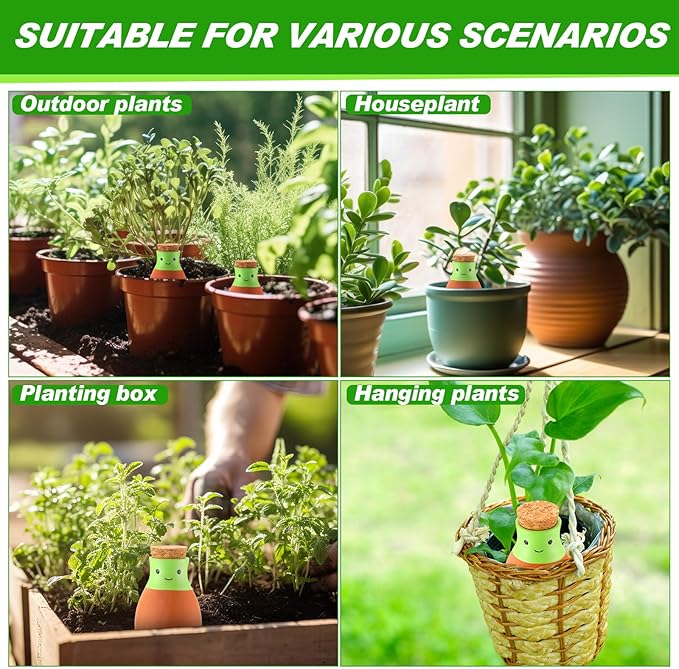
  • Efficient Water-saving Irrigation: crafted from natural terracotta, each ollas plant watering globes measures 6.7" tall and 3.1" wide, with an 11.5 oz capacity; Ideal for pots 9" or larger, this self-watering globe slowly releases water into the soil, ensuring roots absorb moisture deeply while minimizing surface evaporation, perfect for maintaining healthy and helping the plant grow
  • Easy to Use, No Overwatering: soak the terracotta self watering pot for 15+ minutes before use, moisten the soil, then bury it up to the neck and fill with water; The porous clay regulates water flow based on soil moisture, preventing overwatering and keeping plants consistently nourished with minimal effort
  • Decorative yet Functional Design: featuring a natural terracotta body with a green bottleneck like a carrot shape, these self watering planter inserts seamlessly blend into your garden or indoor space; Their earthy tones and elegant form add a touch of charm while delivering practical irrigation support
  • Low-maintenance Plant Care: this plant watering globesnot only reduces the hassle of frequent watering but also protect plant roots and stems from over-watering or under-watering through slow penetration; Its low-maintenance nature makes gardening easy and enjoyable; These ollas self watering planter insert do not need to be taken out repeatedly during use, which can well protect the plant's root system and avoid root damage; The covered design can effectively prevent moisture evaporation
  • Thoughtful Gift for Garden Lovers: a perfect gift for plant enthusiasts, these terracotta watering spikes combine beauty and function; Whether for birthdays, holidays, or just because, they're a great choice for busy gardeners who want to simplify plant care without sacrificing style
View full details

What Our Customers Say

Perfect for my apartment!

These compact planters are exactly what I needed for my small balcony. The herbs are thriving and I love having fresh basil at my fingertips!

Great starter kit

As a beginner gardener, this kit made it so easy to start growing my own vegetables indoors. The instructions were clear and everything I needed was included.

Love the design

Not only functional but beautiful too! The minimalist design fits perfectly with my modern apartment decor. My succulents look amazing in these pots.

Space-saving solution

The vertical garden system is genius! I can grow so many plants without taking up floor space. Perfect for city living and my plants are healthier than ever.

Every small space holds the potential for a little green sanctuary

Frequently Asked Questions

Everything you need to know about growing a beautiful garden

The best time to plant vegetables depends on your climate zone. Generally, cool-season crops like lettuce and peas thrive in early spring, while warm-season crops like tomatoes and peppers should be planted after the last frost date.
Most gardens need about 1 inch of water per week, either from rainfall or irrigation. Water deeply but less frequently to encourage strong root growth. Early morning is the best time to water to minimize evaporation and disease.
Loamy soil with good drainage is ideal for most plants. It should be rich in organic matter, have a pH between 6.0-7.0, and retain moisture while allowing excess water to drain. Adding compost annually improves soil structure and fertility.
Companion planting, crop rotation, and encouraging beneficial insects are effective natural pest control methods. Marigolds deter many pests, while ladybugs and lacewings eat aphids. Regular inspection and hand-picking larger pests also helps.