Skip to product information
1 of 7

Sukh

Sukh Horticultural Charcoal for Plants - 2.5Qt. Natural Earth Regulated Supplement for Potting Soil Indoor Plants, Organic Biochar, Succulent Soil, Paphiopedilum, Bonsai, Terrarium

Sukh Horticultural Charcoal for Plants - 2.5Qt. Natural Earth Regulated Supplement for Potting Soil Indoor Plants, Organic Biochar, Succulent Soil, Paphiopedilum, Bonsai, Terrarium

Regular price $20.78 USD
Regular price Sale price $20.78 USD
Sale Sold out
Quantity

About This

  • Temperature Regulator: Charcoal absorbs and retains the heat of sunlight, helping to regulate the temperature of potting soil and orchid potting mix alike. This temperature control promotes seed germination and supports the healthy growth of indoor plants. When used with potting soil for indoor plants or any soil type, horticultural charcoal is an ideal choice to create the optimal environment for your greenery
  • Water and Nutrient Storage: Charcoal for plants improves the ability of soils such as succulent soil potting mix, cactus soil, indoor potting soil for house plants, and potting soil for succulents to store water and nutrients. It enhances permeability and drainage, especially in containers without drainage holes. Excess water or fertilizer is absorbed and released gradually, ensuring that indoor plant soil stays balanced and nourished
  • Good Filter: Thanks to its porous structure, horticulture charcoal enhances airflow in soils like orchid bark for indoor plants, succulent potting soil, and potting soil indoor plants. Better aeration encourages stronger root development and supports plant vitality. This function makes horticultural charcoal a smart addition to terrarium supplies and indoor planting projects where airflow is often limited
  • Suitable Size: Horticultural charcoal for plants typically has a diameter range of 5-10 mm. Small pieces of horticulture charcoal that moderately cover the soil surface can help plants survive and reproduce. In addition, varieties such as aquarium charcoal and plant charcoal offer versatile uses while maintaining similar beneficial properties
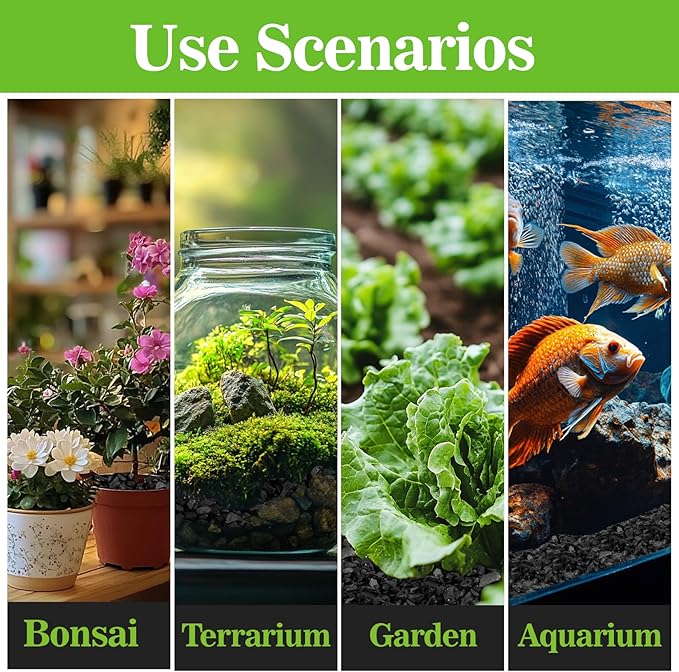
  • Multi-functional: Organic charcoal and terrarium charcoal are highly versatile, suitable for potting soil, succulent soil potting mix, and well-draining indoor plant soil. They support orchids like Cattleya, Dendrobium, Vanda, and Paphiopedilum, and can also serve decorative and practical purposes in fish tanks, glass containers, or other terrarium supplies
View full details

What Our Customers Say

Perfect for my apartment!

These compact planters are exactly what I needed for my small balcony. The herbs are thriving and I love having fresh basil at my fingertips!

Great starter kit

As a beginner gardener, this kit made it so easy to start growing my own vegetables indoors. The instructions were clear and everything I needed was included.

Love the design

Not only functional but beautiful too! The minimalist design fits perfectly with my modern apartment decor. My succulents look amazing in these pots.

Space-saving solution

The vertical garden system is genius! I can grow so many plants without taking up floor space. Perfect for city living and my plants are healthier than ever.

Every small space holds the potential for a little green sanctuary

Frequently Asked Questions

Everything you need to know about growing a beautiful garden

The best time to plant vegetables depends on your climate zone. Generally, cool-season crops like lettuce and peas thrive in early spring, while warm-season crops like tomatoes and peppers should be planted after the last frost date.
Most gardens need about 1 inch of water per week, either from rainfall or irrigation. Water deeply but less frequently to encourage strong root growth. Early morning is the best time to water to minimize evaporation and disease.
Loamy soil with good drainage is ideal for most plants. It should be rich in organic matter, have a pH between 6.0-7.0, and retain moisture while allowing excess water to drain. Adding compost annually improves soil structure and fertility.
Companion planting, crop rotation, and encouraging beneficial insects are effective natural pest control methods. Marigolds deter many pests, while ladybugs and lacewings eat aphids. Regular inspection and hand-picking larger pests also helps.