Skip to product information
1 of 8

LITUDISO

African Violet Pots, 6 Inch Self Watering Pots for Indoor Plants, Easy Plant Self Watering Planter, Ceramic Plant Pot with Absorbent Inner Pot for Flowers - Gradient Green (No Plants)

African Violet Pots, 6 Inch Self Watering Pots for Indoor Plants, Easy Plant Self Watering Planter, Ceramic Plant Pot with Absorbent Inner Pot for Flowers - Gradient Green (No Plants)

Regular price $41.58 USD
Regular price Sale price $41.58 USD
Sale Sold out
Quantity

About This

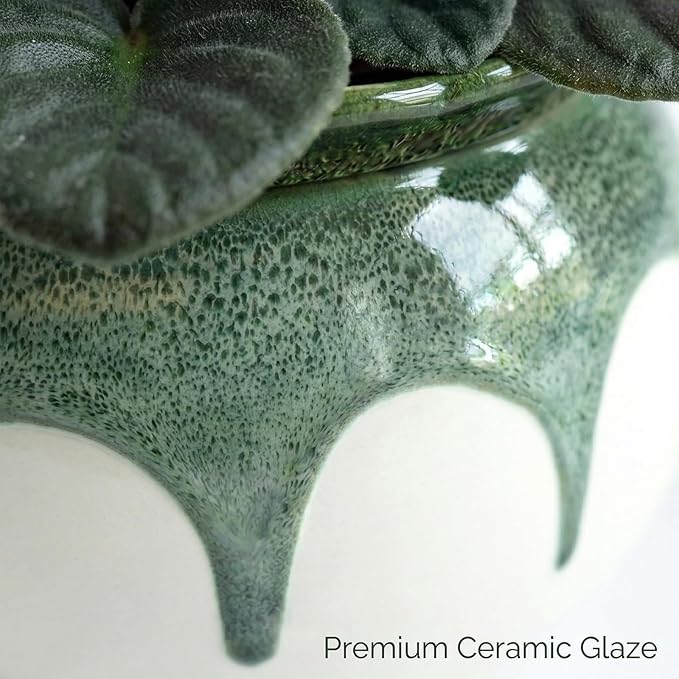
  • Superior Ceramic Quality: Our african violet pots are handcrafted from premium ceramic materials. The glaze on the pot's surface diffuses randomly, giving each pot a unique gradient effect, meaning you may receive a pot with a distinct appearance. The inner pot is made from natural kaolin, which has excellent water absorption properties, effectively retaining moisture.
  • Ideal for Multiple Plant Types: These african violet pots for indoor plants are versatile and stylish, fitting seamlessly into any room decor. They are perfect for a variety of plants that require steady root moisture, including African violets, baby's tears, pothos, cacti, succulents, and herbs such as parsley, rosemary, and mint.
  • Advanced Self Watering System: Designed to hydrate plants from the bottom up, these african violet pots come with an integrated water reservoir that slowly dispenses moisture to the soil. The ceramic inner pot ensures consistent soil moisture levels, preventing over-watering and reducing the frequency of watering.
  • Hassle-Free Plant Maintenance: Perfect for home gardening and contemporary decor, this african violet pots ensures your plants remain healthy and vibrant. With its efficient self-watering feature, you only need to water every 10 to 14 days, allowing you to travel or stay focused on your busy schedule without neglecting your plants.
  • Enhance Root Strength: The LITUDISO african violet pots features a unique support design that separates the plant's roots from the water reservoir. It promotes plant growth and development through micro-holes at the bottom, creating an oxygen circulation system for the plant.

Overview

  • Material : Ceramic
  • Color : Gradient Green
  • Special Feature : Drainage Hole
  • Style : African Violet Pots
  • Planter Form : Plant Pot
View full details

What Our Customers Say

Perfect for my apartment!

These compact planters are exactly what I needed for my small balcony. The herbs are thriving and I love having fresh basil at my fingertips!

Great starter kit

As a beginner gardener, this kit made it so easy to start growing my own vegetables indoors. The instructions were clear and everything I needed was included.

Love the design

Not only functional but beautiful too! The minimalist design fits perfectly with my modern apartment decor. My succulents look amazing in these pots.

Space-saving solution

The vertical garden system is genius! I can grow so many plants without taking up floor space. Perfect for city living and my plants are healthier than ever.

Every small space holds the potential for a little green sanctuary

Frequently Asked Questions

Everything you need to know about growing a beautiful garden

The best time to plant vegetables depends on your climate zone. Generally, cool-season crops like lettuce and peas thrive in early spring, while warm-season crops like tomatoes and peppers should be planted after the last frost date.
Most gardens need about 1 inch of water per week, either from rainfall or irrigation. Water deeply but less frequently to encourage strong root growth. Early morning is the best time to water to minimize evaporation and disease.
Loamy soil with good drainage is ideal for most plants. It should be rich in organic matter, have a pH between 6.0-7.0, and retain moisture while allowing excess water to drain. Adding compost annually improves soil structure and fertility.
Companion planting, crop rotation, and encouraging beneficial insects are effective natural pest control methods. Marigolds deter many pests, while ladybugs and lacewings eat aphids. Regular inspection and hand-picking larger pests also helps.