Skip to product information
1 of 9

Barrina

Barrina Plant Grow Lights, 4FT 5000K Full Spectrum Daylight White, 252W(6 x 42W, 1400W Equivalent), T8 LED Grow Light Strips, Growing Lamp Fixture, Plant Lights for Indoor Plants, Greenhouse, 6-Pack

Barrina Plant Grow Lights, 4FT 5000K Full Spectrum Daylight White, 252W(6 x 42W, 1400W Equivalent), T8 LED Grow Light Strips, Growing Lamp Fixture, Plant Lights for Indoor Plants, Greenhouse, 6-Pack

Regular price $159.98 USD
Regular price Sale price $159.98 USD
Sale Sold out
Quantity

About This

  • Please note that we have a brand new upgrade.This product is compatible with Barrina GM Series Cords. If you need to connect new and old products, make sure to use the new male-female connector cables. The second generation is designed to be safer, preventing accidental electrical connections caused by human error
  • 5000K White Full Spectrum LED Grow Lights: Barrina T8 grow lights 4ft provide indoor plants with full-spectrum sunlight replacement. It provides the most reasonable grow light wave based on the ratio of the absorption of the plants. Best for plants seeding, growth and bloom
  • Super Bright and High PPFD:Consuming only 252W with 1152 LEDS totally, replace 1400w general grow light bulbs. Over 95% light energy can be absorbed by plants. 5000K white color temperature makes your eyes feel comfortable. It works extremely well for your plant grow tents, plant grow shelves, seedling cultivation, hydroponic rooms, greenhouses, etc
  • V-shaped Reflector Design: The indoor grow lights efficiency can be increased by 17~20% with reflector, providing you with best light intensity. The shell of our LED plant growing light was made of 100% aluminum which provides the high-efficiency heat dissipation. Ensuring the longer service life of the led chips
  • Easy Installation: With included tape, clips and cable ties, you could install the lights by yourself in minutes. Just plug in and light up, and you could link up to 6 grow light strips in a series
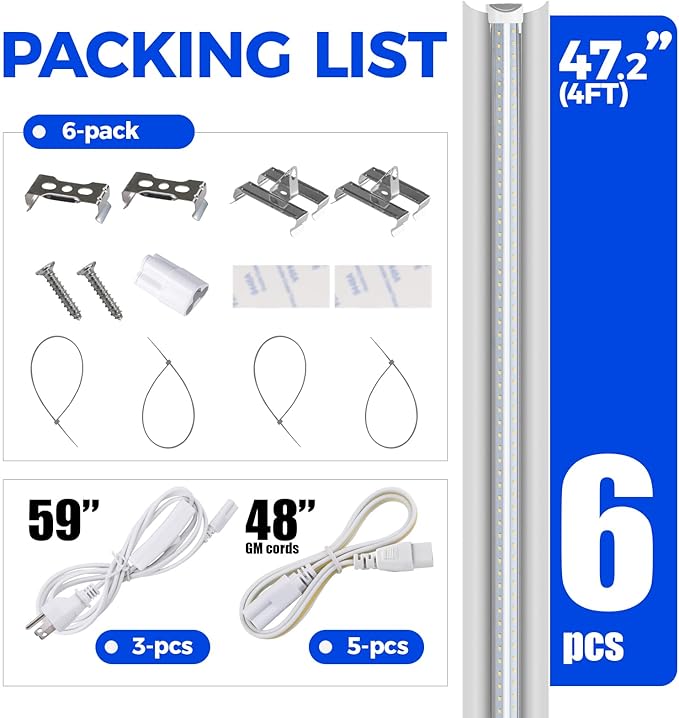
  • What You Get: 6 x Barrina Indoor Plant Lights, 3 x Power Cords with ON/OFF switch, 5 x Connecting Cords(48''), 6 x Small Connectors, 24x Installation Clips, 12 x Tapes, 24 x cable ties

Overview

  • Color : White
  • Shape : Rectangular
  • Material : Aluminum, Polycarbonate (PC)
  • Finish Type : Aluminum
  • Light Source Type : LED
View full details

What Our Customers Say

Perfect for my apartment!

These compact planters are exactly what I needed for my small balcony. The herbs are thriving and I love having fresh basil at my fingertips!

Great starter kit

As a beginner gardener, this kit made it so easy to start growing my own vegetables indoors. The instructions were clear and everything I needed was included.

Love the design

Not only functional but beautiful too! The minimalist design fits perfectly with my modern apartment decor. My succulents look amazing in these pots.

Space-saving solution

The vertical garden system is genius! I can grow so many plants without taking up floor space. Perfect for city living and my plants are healthier than ever.

Every small space holds the potential for a little green sanctuary

Frequently Asked Questions

Everything you need to know about growing a beautiful garden

The best time to plant vegetables depends on your climate zone. Generally, cool-season crops like lettuce and peas thrive in early spring, while warm-season crops like tomatoes and peppers should be planted after the last frost date.
Most gardens need about 1 inch of water per week, either from rainfall or irrigation. Water deeply but less frequently to encourage strong root growth. Early morning is the best time to water to minimize evaporation and disease.
Loamy soil with good drainage is ideal for most plants. It should be rich in organic matter, have a pH between 6.0-7.0, and retain moisture while allowing excess water to drain. Adding compost annually improves soil structure and fertility.
Companion planting, crop rotation, and encouraging beneficial insects are effective natural pest control methods. Marigolds deter many pests, while ladybugs and lacewings eat aphids. Regular inspection and hand-picking larger pests also helps.