Skip to product information
1 of 8

LEOBRO

LEOBRO 6 Pack Plant Support Plant Stakes, Metal Peony Support, Garden Plant Supports, Plant Cage, Plant Support Ring, Plant Support Stakes for Peony, Tomato, Hydrangea, Indoor Plants, 9.8 W x 15.7 H

LEOBRO 6 Pack Plant Support Plant Stakes, Metal Peony Support, Garden Plant Supports, Plant Cage, Plant Support Ring, Plant Support Stakes for Peony, Tomato, Hydrangea, Indoor Plants, 9.8 W x 15.7 H

Regular price $25.58 USD
Regular price Sale price $25.58 USD
Sale Sold out
Quantity

About This

  • Large Plant Support Stakes: Set of 6pcs, 15.74"High x 9.8"Wide (Please Double Check the Measurement Before Purchasing), ideal tomato cage, peony support, also great plant stakes for flowers, hydrangea, monstera, verbena, zinnia, daisy, orchid, rose, and pepper, indoor potted plants, leafy plants, bushy plants, outdoor plants etc.
  • Sturdy & Rustproof Garden Stakes: 4mm thick, with steel core and plastic powder coating, these garden plant stakes are sturdy and firm, hard to deform, can well support and protect various plants, also well weather-resistant, rustproof, durable and long-lasting, better than wood. Ideal plant support cage for house plant and outdoor plants.
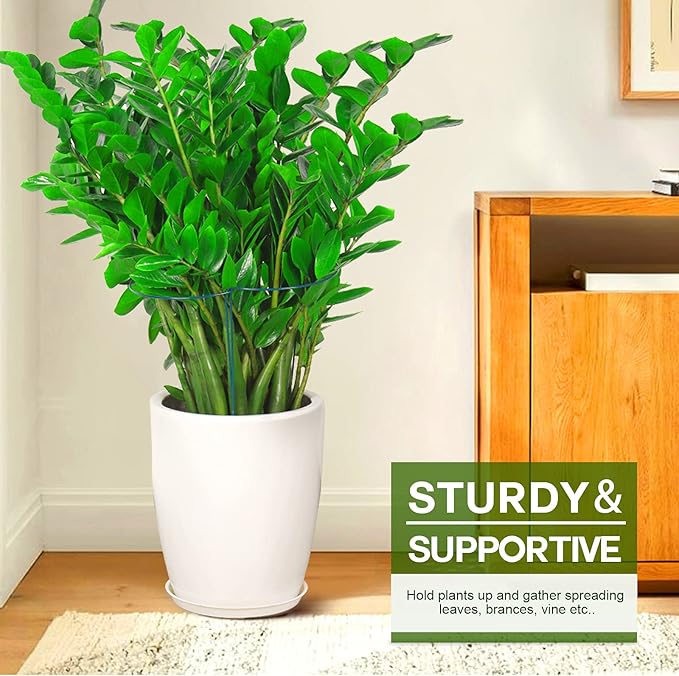
  • Multifunctional Plant Stakes: Prop up your plants to grow straightly and healthily, prevent leaf, branch and vine from spreading out and falling, protect plants against strong wind, heavy rain, and their own heavy blooms, also help create well ordered border and keep pathway open, add aesthetic appeal. Perfect garden stakes for plants, great for garden art.
  • Natural Green Plant Cages: With glossy green surface, these half round metal plant supports can blend into plants nicely without being weird. And a groove design on one side makes these garden support stakes able to interlink with one another naturally, and effectively enhance firmness, support and protect your plants better.
  • Use-friendly Plant Supports: Just around the plants, push the plant stake into earth, used as a single half or to link with each other to form circles, rows, cloverleaves etc. to meet your practical supporting needs. Detachable and stackable, well save space and easy to store.

Overview

  • Material : Metal
  • Color : Green
  • Brand : LEOBRO
  • Product Dimensions : 15.6"L x 9.4"W
  • Style : Plants Stakes
View full details

What Our Customers Say

Perfect for my apartment!

These compact planters are exactly what I needed for my small balcony. The herbs are thriving and I love having fresh basil at my fingertips!

Great starter kit

As a beginner gardener, this kit made it so easy to start growing my own vegetables indoors. The instructions were clear and everything I needed was included.

Love the design

Not only functional but beautiful too! The minimalist design fits perfectly with my modern apartment decor. My succulents look amazing in these pots.

Space-saving solution

The vertical garden system is genius! I can grow so many plants without taking up floor space. Perfect for city living and my plants are healthier than ever.

Every small space holds the potential for a little green sanctuary

Frequently Asked Questions

Everything you need to know about growing a beautiful garden

The best time to plant vegetables depends on your climate zone. Generally, cool-season crops like lettuce and peas thrive in early spring, while warm-season crops like tomatoes and peppers should be planted after the last frost date.
Most gardens need about 1 inch of water per week, either from rainfall or irrigation. Water deeply but less frequently to encourage strong root growth. Early morning is the best time to water to minimize evaporation and disease.
Loamy soil with good drainage is ideal for most plants. It should be rich in organic matter, have a pH between 6.0-7.0, and retain moisture while allowing excess water to drain. Adding compost annually improves soil structure and fertility.
Companion planting, crop rotation, and encouraging beneficial insects are effective natural pest control methods. Marigolds deter many pests, while ladybugs and lacewings eat aphids. Regular inspection and hand-picking larger pests also helps.